Let's look at a classic developer bottleneck: you receive a beautiful design mockup in Figma, export the colors, and start writing variables. Then, the client requests a color tweak. The designer updates Figma, you rewrite your variables, and the mobile developer has to update their Kotlin/Swift stylesheets. Suddenly, a simple color change has wasted hours of developer back-and-forth across different teams and technologies.
This is a real-world communication breakdown that costs companies thousands of dollars in developer hours. In this article, we'll talk about how collaborative theme generation solves the translation problem and ensures consistent variables across every framework and platform, from Tailwind CSS and SCSS to Figma, Flutter, and React Native.
The Real Bottleneck: Translating Design into Multi-Platform Code
In mid-to-large product teams, the frontend stack is rarely homogeneous. You might have a web app built in Next.js using Tailwind v4, a mobile app built in React Native or Flutter, and a native iOS app built in Swift. Translating a single brand color system into distinct formats for each of these technologies is incredibly tedious and error-prone.
Without a unified, collaborative source of truth, developers end up inventing their own variable names. The web developer writes --color-brand-primary, the mobile developer writes BrandColorPrimary, and the designer calls it Indigo 500. This naming inconsistency makes code reviews slow and onboarding new developers painful.
Key Metric
"According to industry studies, developers spend up to 15% of their front-end development time dealing with styling inconsistencies, variable mismatch debugging, and design handoff alignment. Automating this step pays for itself in the first sprint."
How Collaboration Saves Development Cost
When designers, developers, and clients collaborate on the same color canvas in real-time, the handoff phase is completely eliminated. Here is how it speeds up shipping:
1. One Source of Truth, All Formats Automatically Generated
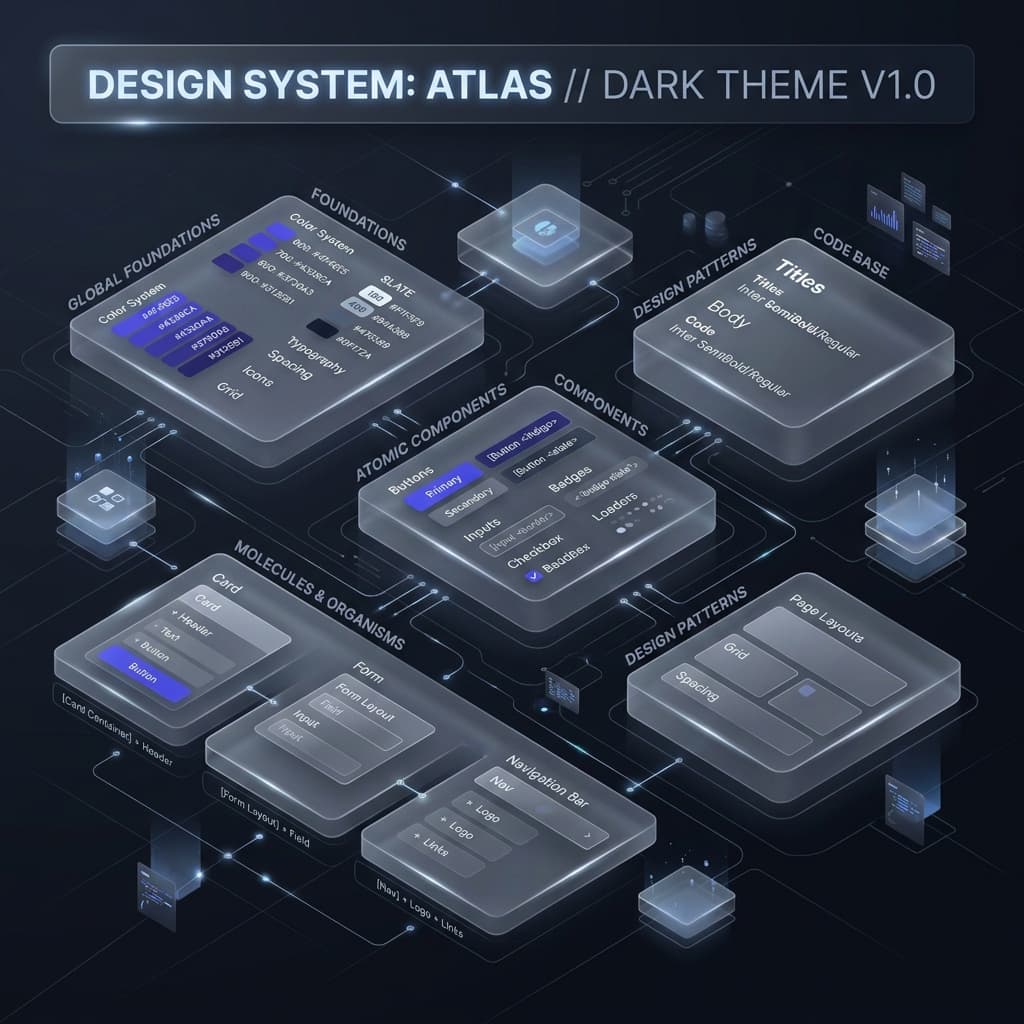
Instead of manually copying hex codes and converting them into HSL or OKLCH coordinates, a collaborative generator outputs production-ready code instantly for all platforms:
- Web: Tailwind v4 CSS, Tailwind v3 JS config, SCSS variables, WordPress themes, and CSS-in-JS.
- Mobile: Flutter (Dart), React Native (TS), Swift (iOS), and Kotlin (Android).
- Design: Tokens Studio JSON, Figma static tokens, and Figma Styles.
2. Consistent Naming Conventions Across Teams
By enforcing a unified naming convention (like brand-default, bg-surface, border-subtle) generated automatically across all files, your web, iOS, and Android teams speak the exact same language. A developer can copy code directly into their environment, knowing it matches the rest of the company's ecosystem perfectly.
The Workflow of Realtime Theme Sync
With TailwindThemeMaker's Collaborative Projects, the workflow becomes seamless:
- Create a Folder: The team lead creates a project folder for the client or feature branch.
- Invite Team Members: Invite designers, mobile devs, and client managers using their email. They get a live, synced workspace.
- Realtime Tweaking: If the client requests a shift in the brand hue, anyone makes the adjustment. The change propagates to everyone instantly via real-time database replication.
- Instant Export: The developers pull the fresh code export matching their specific stack (e.g. Flutter for mobile, Tailwind v4 for web) without any manual color picking.
Business ROI
"By letting developers and clients tweak and export variables in a shared playground, agencies save an average of 4-6 hours of developer revision loops per client project, translating directly to higher profit margins."
Conclusion: Code Consistency is Speed
A design system shouldn't live in isolated silos. By using a collaborative, multi-platform theme maker, you bridge the gap between design and production code, keep variable naming uniform across technologies, and dramatically reduce development time.